


The following updates and expands on the Frequently Asked Questions (FAQ) we issued on March 12, 2020 (available here), which provided general guidance for K-12 school districts in responding to the needs of students with disabilities during the COVID-19 pandemic.

In response to the nationwide economic disruption and uncertainty resulting from the COVID-19 outbreak, Congress passed, and the President signed, the "Families First Coronavirus Response Act" (H.R. 6201), which became law on March 18, 2020.

The coronavirus disease 2019 (COVID-19) is a novel respiratory disease that has affected communities worldwide. Cases of COVID-19 have recently appeared in several California communities, prompting a significant number of school closures around the state.
COVID-19 is a novel form of coronavirus which causes respiratory disease that has affected communities worldwide, and cases of COVID-19 recently appeared in California communities, prompting concerns about student wellness, attendance, instruction, and school operations.

With growing concerns over the spread of the novel coronavirus, COVID-19, public agency employers are taking proactive steps to limit exposure and further transmission.
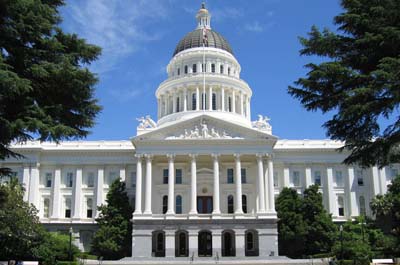
In California School Boards Association v. State of California ( CSBA), the California Supreme Court has allowed the Legislature to avoid appropriating new funding to cover the costs of state mandated programs.

On January 23, 2020, the California State Teachers' Retirement System ("CalSTRS") issued an Employer Information Circular taking a restrictive position regarding what leaves count for the purpose of calculating creditable compensation under the Teachers' Retirement Law.

The State Allocation Board (SAB) has increased the amount of "Level 1" developer fees that school districts are authorized to collect to $4.08 per square foot of residential development and $0.66 per square foot of commercial development.

Assembly Bill (AB) 1600, which took effect on January 1, 2020, shortens the filing timelines for Pitchess motions in criminal matters and renders the personnel records of supervisorial officers potentially discoverable.