

Supreme Court Reinstitutes Permanent Injunction Enforcing Parental Rights to Not be Excluded from Knowledge or Involvement in Student Gender Identity Issues at School
March 6, 2026
Number 9
As reported in 2025 Client News Brief Number 61, this past December, in what is now referred to as Mirabelli v. Bonta, the U.S. District Court, Southern District of California, granted summary judgment in a class action and issued a permanent injunction barring various actions related to student gender identity at school, which the court found infringed upon the free exercise and substantive due process rights of California parents of public school students, and the free exercise rights of school employees. The California Attorney General, State Superintendent of Public Instruction, and State Board of Education (State Defendants) immediately appealed and obtained a stay of the permanent injunction from the Ninth Circuit in January 2026.
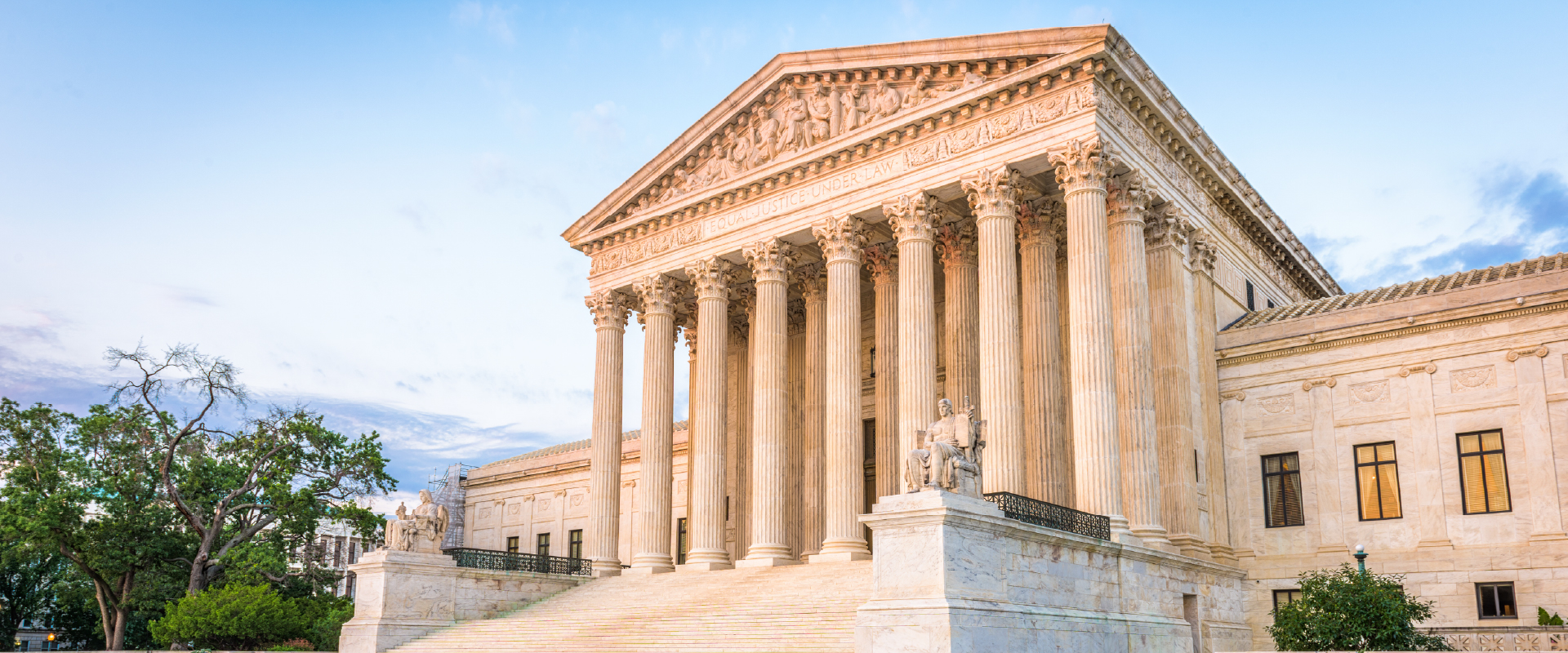
On March 2, 2026, the United States Supreme Court vacated the Ninth Circuit’s stay as to the injunctive relief awarded to the parent class members (but not school employee class members). As a result, the District Court’s injunction in Mirabelli is now in full effect as it relates to the permanent injunctive relief awarded to the parent class members. This injunction will remain in place unless or until the Ninth Circuit reverses the trial court following the normal appeal process, or unless or until the Supreme Court reverses—the latter of which would seem unlikely in light of this week’s opinion by the High Court, which is premised upon the likelihood of success of the parent class members.
The District Court’s Permanent Injunction
The District Court in Mirabelli certified a class with various sub-classes. As is relevant here, the parent sub-classes included all parents and guardians of California public school students who “object to having Parental Exclusion Policies applied against them . . .” and, separately, “who submit a request for a religious exemption or opt-out to having Parental Exclusion Policies applied against them . . . .” While the second subclass applies uniquely to parents who request a religious exemption to opt-out of “Parental Exclusion Policies” in California public schools, the first sub-class is more sweeping, and applies to any parents of students in California public schools who object to “Parental Exclusion Policies” applied against them.
With regard to the parent class in mind, under the permanent injunction, the State Defendants are barred from implementing or enforcing the California Constitution’s privacy provision, California laws regarding equal protection under the Education Code, Government Code, or related regulations, or “any regulations or guidance, such as the 2016 “Legal Advisory regarding application of California’s antidiscrimination statutes to transgender youth in schools” and accompanying FAQ page . . . ,” or the State’s PRISM cultural competency training, in such a manner as to:
Moreover, the permanent injunction requires the State Defendants to include in their PRISM cultural competency training materials and in any other State-created or approved instruction on the gender-related rights of student and faculty, the following statement:
What the Supreme Court’s Ruling Means
Because of the Supreme Court’s vacating of the Ninth Circuit’s stay in Mirabelli as to the parent class and relief obtained, the above-described terms of the court’s injunction are currently in effect as to the parent class. The Supreme Court’s opinion explained that the parent class members were likely to prevail on the merits of the State Defendants’ appeal. Regarding the parents’ religious free exercise rights, the Supreme Court found preventing disclosure to parents of information regarding their child’s gender identity at school, including social transitioning, name or pronoun use, constituted an “intrusion on parents’ free exercise rights . . . greater than the introduction of LGBTQ storybooks . . .” found to trigger constitutional strict scrutiny in Mahmoud v. Taylor (see 2025 Client News Brief Number 28). Additionally, the Supreme Court found the parents were also likely to prevail on the merits of their due process claims, namely with respect to parental “primary authority” over and right to involvement in the upbringing and education of their children, including the right to involvement and control over gender identity issues relating to their children. Apart from the likelihood of prevailing on the merits, the Supreme Court also determined there was a risk of potential irreparable harm to parents were the permanent injunction stayed during appeal, as well as that the balance of the equities strongly favored the parents as opposed to the State Defendants.
As a result of the Supreme Court’s ruling, the State Defendants have already posted the mandatory notice of parent rights on the California Department of Education’s (CDE) webpage “Protections for LGBTQ+ Students: AB 1955” and “PRISM for LGBTQ+ Students.” It is anticipated that the State’s model PRISM LGBTQ+ mandatory training for 7-12 grade teachers is presently being revised for compliance with the permanent injunction as well.
Notably, these developments in the Mirabelli litigation follow the CDE’s refined guidance under FERPA regarding parental rights to access their student’s education records relating to gender identity. As reported in Client News Brief Number 7, as of February 11, 2026, the CDE issued updated directives confirming that under FERPA parents have the right to access their student’s education records which relate to their child’s gender identity at school, including a student’s gender support plan, regardless of whether such records are maintained in a student’s cumulative file or some other separate or confidential location.
Takeaways
While the permanent injunction in Mirabelli enjoins the actions of the State Defendants (and the specific school district defendants in the case), the Supreme Court’s reinstitution of the district court’s permanent injunction in favor of the parent class members, and reasoning for same, make the parameters of the injunction for all practical purposes applicable to all California school districts. As a result, school district and county offices of education should review their policies and practices to ensure compliance with the Mirabelli injunction relative to:
Although yet to be seen, the Mirabelli case may now proceed through the normal appeal process before the Ninth Circuit, potentially returning to the Supreme Court in the future. In the meantime, there remains the possibility of the Supreme Court granting review of any number of other pending cases on a non-emergency basis which involve these same issues in order to address these legal questions in greater detail.
If you have any questions, please contact the authors of this Client News Brief or an attorney at one of our eight offices located statewide. You can also subscribe to our podcast, follow us on Facebook and LinkedIn, or download our mobile app.
Number 9
As reported in 2025 Client News Brief Number 61, this past December, in what is now referred to as Mirabelli v. Bonta, the U.S. District Court, Southern District of California, granted summary judgment in a class action and issued a permanent injunction barring various actions related to student gender identity at school, which the court found infringed upon the free exercise and substantive due process rights of California parents of public school students, and the free exercise rights of school employees. The California Attorney General, State Superintendent of Public Instruction, and State Board of Education (State Defendants) immediately appealed and obtained a stay of the permanent injunction from the Ninth Circuit in January 2026.
On March 2, 2026, the United States Supreme Court vacated the Ninth Circuit’s stay as to the injunctive relief awarded to the parent class members (but not school employee class members). As a result, the District Court’s injunction in Mirabelli is now in full effect as it relates to the permanent injunctive relief awarded to the parent class members. This injunction will remain in place unless or until the Ninth Circuit reverses the trial court following the normal appeal process, or unless or until the Supreme Court reverses—the latter of which would seem unlikely in light of this week’s opinion by the High Court, which is premised upon the likelihood of success of the parent class members.
The District Court’s Permanent Injunction
The District Court in Mirabelli certified a class with various sub-classes. As is relevant here, the parent sub-classes included all parents and guardians of California public school students who “object to having Parental Exclusion Policies applied against them . . .” and, separately, “who submit a request for a religious exemption or opt-out to having Parental Exclusion Policies applied against them . . . .” While the second subclass applies uniquely to parents who request a religious exemption to opt-out of “Parental Exclusion Policies” in California public schools, the first sub-class is more sweeping, and applies to any parents of students in California public schools who object to “Parental Exclusion Policies” applied against them.
With regard to the parent class in mind, under the permanent injunction, the State Defendants are barred from implementing or enforcing the California Constitution’s privacy provision, California laws regarding equal protection under the Education Code, Government Code, or related regulations, or “any regulations or guidance, such as the 2016 “Legal Advisory regarding application of California’s antidiscrimination statutes to transgender youth in schools” and accompanying FAQ page . . . ,” or the State’s PRISM cultural competency training, in such a manner as to:
permit or require any employee in the California state-wide education system from misleading the parent or guardian of a minor child in the education system about their child’s gender presentation at school, whether by: (i) directly lying to the parent; (ii) preventing the parent from accessing educational records of the child; or (iii) using a different set of preferred pronouns/names when speaking with the parents than is being used at school; or
permit or require any employee in the California state-wide education system to use a name or pronoun to refer to that child that do not match the child’s legal name and natal pronouns, where a child’s parent or legal guardian has communicated their objection to such use.
permit or require any employee in the California state-wide education system to use a name or pronoun to refer to that child that do not match the child’s legal name and natal pronouns, where a child’s parent or legal guardian has communicated their objection to such use.
Moreover, the permanent injunction requires the State Defendants to include in their PRISM cultural competency training materials and in any other State-created or approved instruction on the gender-related rights of student and faculty, the following statement:
Parents and guardians have a federal constitutional right to be informed if their public school student child expresses gender incongruence. Teachers and school staff have a federal constitutional right to accurately inform the parent or guardian of their student when the student expresses gender incongruence. These federal constitutional rights are superior to any state or local laws, state or local regulations, or state or local policies to the contrary.
What the Supreme Court’s Ruling Means
Because of the Supreme Court’s vacating of the Ninth Circuit’s stay in Mirabelli as to the parent class and relief obtained, the above-described terms of the court’s injunction are currently in effect as to the parent class. The Supreme Court’s opinion explained that the parent class members were likely to prevail on the merits of the State Defendants’ appeal. Regarding the parents’ religious free exercise rights, the Supreme Court found preventing disclosure to parents of information regarding their child’s gender identity at school, including social transitioning, name or pronoun use, constituted an “intrusion on parents’ free exercise rights . . . greater than the introduction of LGBTQ storybooks . . .” found to trigger constitutional strict scrutiny in Mahmoud v. Taylor (see 2025 Client News Brief Number 28). Additionally, the Supreme Court found the parents were also likely to prevail on the merits of their due process claims, namely with respect to parental “primary authority” over and right to involvement in the upbringing and education of their children, including the right to involvement and control over gender identity issues relating to their children. Apart from the likelihood of prevailing on the merits, the Supreme Court also determined there was a risk of potential irreparable harm to parents were the permanent injunction stayed during appeal, as well as that the balance of the equities strongly favored the parents as opposed to the State Defendants.
As a result of the Supreme Court’s ruling, the State Defendants have already posted the mandatory notice of parent rights on the California Department of Education’s (CDE) webpage “Protections for LGBTQ+ Students: AB 1955” and “PRISM for LGBTQ+ Students.” It is anticipated that the State’s model PRISM LGBTQ+ mandatory training for 7-12 grade teachers is presently being revised for compliance with the permanent injunction as well.
Notably, these developments in the Mirabelli litigation follow the CDE’s refined guidance under FERPA regarding parental rights to access their student’s education records relating to gender identity. As reported in Client News Brief Number 7, as of February 11, 2026, the CDE issued updated directives confirming that under FERPA parents have the right to access their student’s education records which relate to their child’s gender identity at school, including a student’s gender support plan, regardless of whether such records are maintained in a student’s cumulative file or some other separate or confidential location.
Takeaways
While the permanent injunction in Mirabelli enjoins the actions of the State Defendants (and the specific school district defendants in the case), the Supreme Court’s reinstitution of the district court’s permanent injunction in favor of the parent class members, and reasoning for same, make the parameters of the injunction for all practical purposes applicable to all California school districts. As a result, school district and county offices of education should review their policies and practices to ensure compliance with the Mirabelli injunction relative to:
- parent access to records and information regarding their child’s gender identity at school,
- adherence to parental instructions regarding name and pronoun use for their child at school, and
- ensuring that the required LGBTQ+ training provided to teachers in grades 7 through 12 specifies the rights of parents in this regard.
Although yet to be seen, the Mirabelli case may now proceed through the normal appeal process before the Ninth Circuit, potentially returning to the Supreme Court in the future. In the meantime, there remains the possibility of the Supreme Court granting review of any number of other pending cases on a non-emergency basis which involve these same issues in order to address these legal questions in greater detail.
If you have any questions, please contact the authors of this Client News Brief or an attorney at one of our eight offices located statewide. You can also subscribe to our podcast, follow us on Facebook and LinkedIn, or download our mobile app.
Disclaimer: As the information contained herein is necessarily general, its application to a particular set of facts and circumstances may vary. For this reason, this News Brief does not constitute legal advice. We recommend that you consult with your counsel prior to acting on the information contained herein.